
More Than Your Makeup Bag: Power, conflict and Love in Beauty.
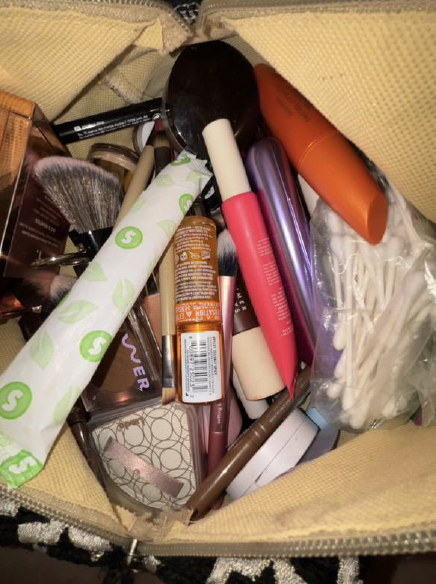
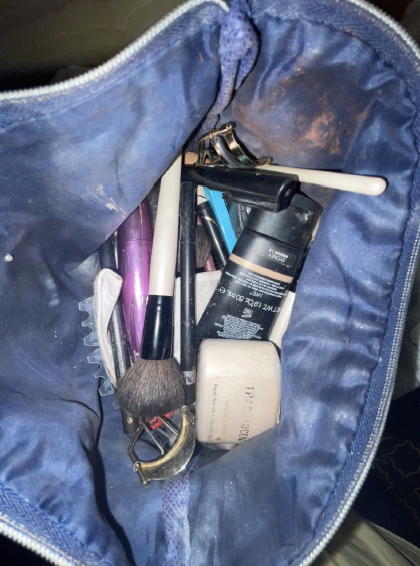
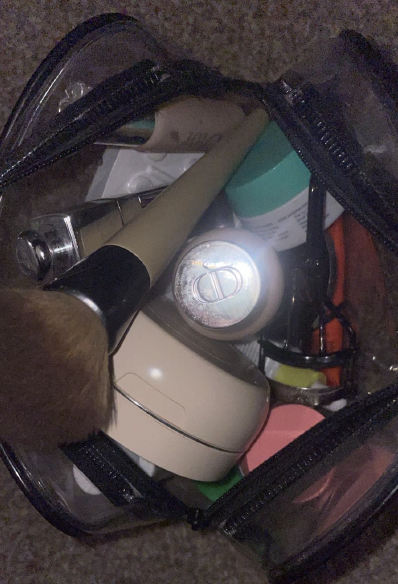
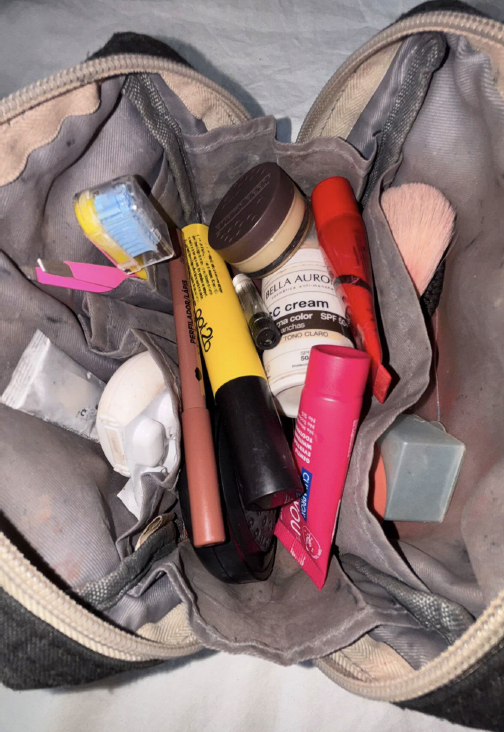
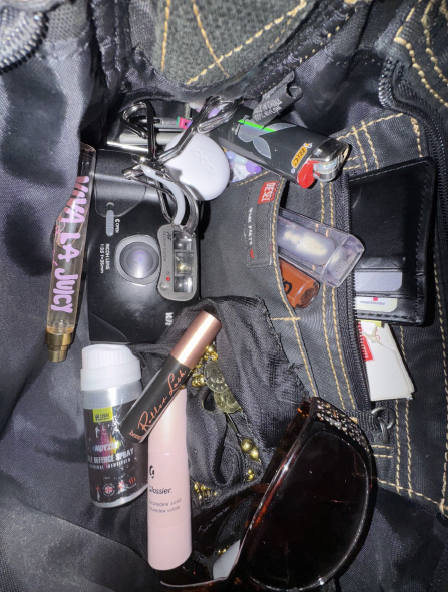
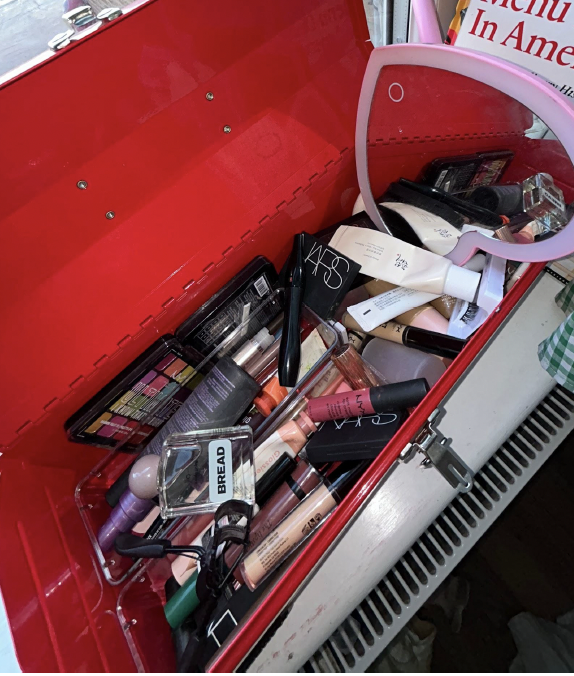
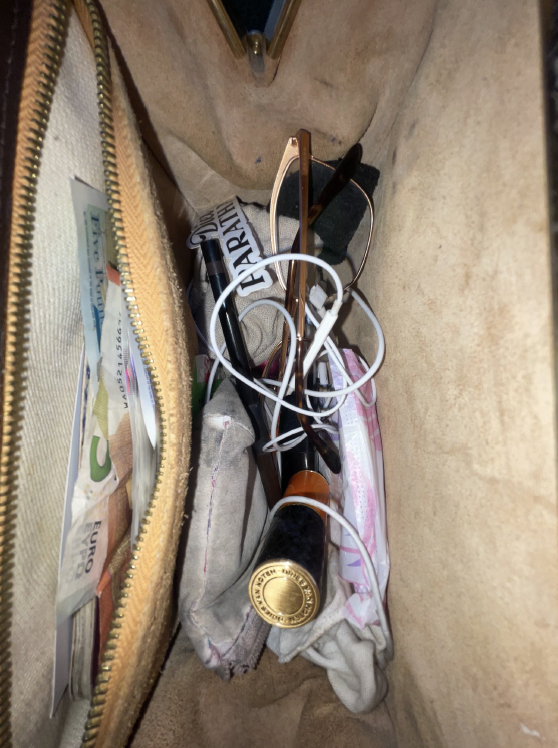
There’s a voyeur watching you apply your makeup while you’re sat, filled with dread, on the central line. I am her and she is me. As a makeup artist, I’ve seen beauty wielded like a weapon and worn like armour. Even on the 8am commuter train. Beauty is never just beauty. It’s a whisper of who we are, a shout of who we want to be. Beauty is power, but it’s also a paradox. A tool for liberation and a chain that binds us to systems of exploitation and inequality.
The products we carry in our makeup bags are more than tools; they’re status indicators, political statements and, in this capitalist society, an unwilling contributor to global conflict. From Black owned brand Fashion Fair creating a global space for darker skin tones in the 70s to today’s TikTok discourse dissecting the use of extreme editing due to creators such as umi.chii’s rise and fall.
So what does your makeup say about you? And more importantly what does it say about the world we live in?
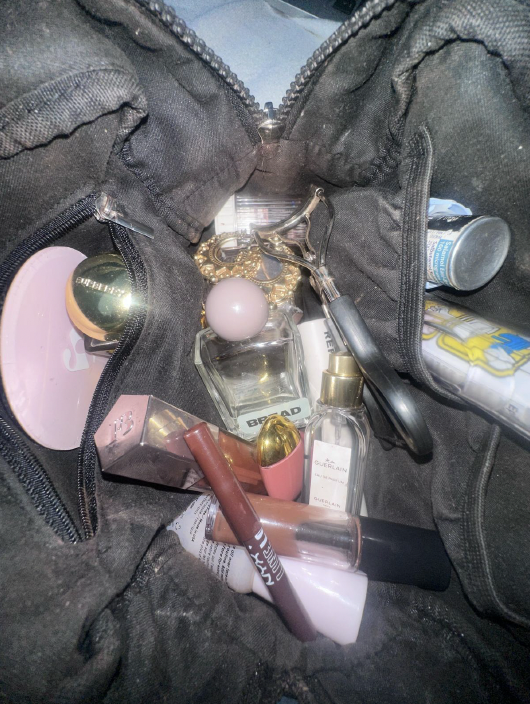
Luxury beauty isn’t about the product, they sell identity. A £33 designer lip oil isn’t just for hydration, the chic compact you place on the table like a badge of honour, unaware of the hands that mined its shimmer or the lives lost to its glow. That high price point lip balm isn’t just a lip balm. It’s a key to a world of elegance, sophistication, and status. The act of pulling it out in public, of reapplying it with practiced ease, is a performance. It says, “I belong here. I am worth this.” But what does it mean when the price of that belonging is paid by someone else? When the shimmer in your highlighter comes from mines where workers toil in perilous conditions, or when the parent company of your favourite brand profits from war and exploitation?
The beauty industry thrives on aspiration, convincing us that if we partake in the newest launches we will be closer to the ultimate glow up. On TikTok, users dissect the makeup choices of Republican voters, analysing their powdery complexions and lipstick shades with the precision of art critics. It’s easy to dismiss these videos as frivolous, but they reveal something deeper: beauty is political. Their unconscious ideas of beauty aren’t just about aesthetics, they’re a projection of their feelings on control, authority, and traditional values.
Our faces are billboards, our political manifestos.
These fleeting moments remind us that beauty is never neutral. It’s a language, a code we use to communicate who we are and what we stand for. But it’s also a battleground, where the rules are written by those in power and enforced by the rest of us.
Momtezuma Red was a shade specifically for women in the military made by Elizabeth Arden during WW2. Makeup as a powerful morale booster has been a blueprint that many brands have used, most successfully has been MAC. Their VIVA Glam campaign has raised millions for HIV/AIDS awareness proving that beauty can and has been used as activism.
But empowerment through beauty is a double-edged sword. For every campaign that uplifts, there’s a darker truth lurking beneath the surface. The beauty industry is built on what products make profit, and too often, that profit comes at the cost of people and the planet. Often most of this is present with the sourcing of ingredients which most brands remain silent and strategically ignorant. Even ‘clean beauty’ isn’t always clean, rather greenwashing runs rampant with brands indulging in buzzwords rather than transparency So where does that leave us, the ones who love beauty but don’t want to contribute to its darker side? It leaves us at a crossroads, armed with questions and the power to demand better. What does it mean to apply a product in public that’s tied to conflict? How can we reconcile our love for beauty with the knowledge that it often comes at a cost?
The answer isn’t simple, but it starts with awareness. It starts with watching a stranger apply their makeup on the train with the same curiosity you’d watch a butterfly.
By Tina Khatri for Issue 2 of The Grey.