
Fashioning the Utility Clothing SchemeCc41, collaboration, and consumer cultures in the Second World War
Launched 3rd September 1941, the Utility Clothing Scheme was a Second World War British government initiative which sought to reduce material consumption by making the most of resources. It was stipulated that this aim would be achieved through standardised production, regulated access, and moderated prices. The Utility Clothing Scheme accounted for cloth, clothing and footwear, and also grew to envelop home furnishings and textiles. The identifying ‘cc41’ mark which was applied to pieces manufactured as Utility represents a zeitgeist of fashion history, illustrative of collaboration. As part of the clothing cultures of wartime, the Utility Clothing Scheme characterised a period of consumption through control necessitated by context. Collective identity through wartime economies had to be engaged with in order for measures to work; manufacturers, retailers, and consumers had to be on board.
Adaptability and Wartime Austerities
Enacted following the implementation of Clothes Rationing on 1st June 1941, which limited the amount of fabric used in garment manufacture as well as clothing acquisition by civilians, the Utility Clothing Scheme was one of a range of interventionist measures employed by the British government during the Second World War. While centrally seeking to save materials through efficiencies in manufacture, through regulating prices Utility also sought to aid access to clothing by the civilian consumer public. This measure, when coupled with restricted access through the coupon attribution of the Clothes Rationing system - where coupons were presented alongside monetary payment for garments - relative parity was achieved. Limiting consumption through Rationing meant that those with the financial ability to purchase more clothing were restricted to 66 coupons per year at the beginning of Clothes Rationing (the number of coupons reduced throughout the lifespan of Clothes Rationing, which ended in 1949). It must be noted that, though the ability to access and acquire more clothing had widened through the socioeconomic spectrum over the decades prior to the Second World War, democratisation could not be achieved through the Utility Clothing Scheme despite standardisation of goods and their pricing. This was due to clothing consumption being connected to monetary wealth, and therefore, despite the regulation of prices through the Scheme, garment acquisition was not equitable.
Despite this, the government’s use of democratisation as a promotional tool was not deterred. Make-do and Mendwas another approach, one which promoted garment re-purposing and textile re-cycling. Pamphlets which offered advice, from making-up a skirt suit from a trouser suit to unravelling jumpers to re-knit into new pieces, were produced, and sewing classes were made available. The Squander Bug was another tactic, proposing investment in War Savings Certificates which aided the war effort, rather than ‘wasteful spending’ in a manner deemed unnecessary and unpatriotic. Saving materials and the spirit of adaptability through patriotic promotion informed wartime propaganda around the wardrobe on the Homefront, including that pertaining to Utility clothing.
Practicalities of the Utility Clothing Scheme
Collaboration between industry and trade with the government through the Utility Clothing Scheme regulated industry and retail through from its establishment in 1941, through to its end in 1952. Standardisation of methods of manufacture and sale of clothing, in material make-up, pattern cutting, production runs, and price and profit capping were central to saving resources while ensuring the clothing needs of the population were met.
Standardisation of production sought to establish equality of garments available throughout Britain. Regulation of garment construction practices, from sizing and pattern cutting through to materials used, were drawn from collaboration with larger manufacturing concerns, such as Montague Burton and Marks and Spencer. Offcuts of fabric were used to add detail, such as patch pockets or cotton ties, and different fabrics were used to make-up the same pattern in order to avoid unwelcomed uniformity and therefore securing consumer confidence in the desirability of Utility clothing. Stock in shops further reflected the requirements of consumption – collaborative research between government and businesses established parameters for the population’s wardrobes. Each of the factors which standardised processes of the making and selling of Utility clothing certainly hold wisdom on which we can reflect on today; simplification of design and making the most of materials available; manufacturing to the levels required, in limited runs to avoid over production; capping profits and encouraging considered purchases.
Cc41 was used as an identifying marker of this standardisation, applied to all fabric, finished garments, shoes, home textiles and furniture which was manufactured and sold as Utility. This clearly visible label arguably denoted ‘civilian clothing’ or ‘controlled commodity’ (‘cc’), and ‘41’ referencing the year of the Scheme’s foundation, 1941. The label represented wide-ranging, impactful change which swept garment manufacturing and retailing practices, clearly communicated to consumers.
Fashioning Utility Design
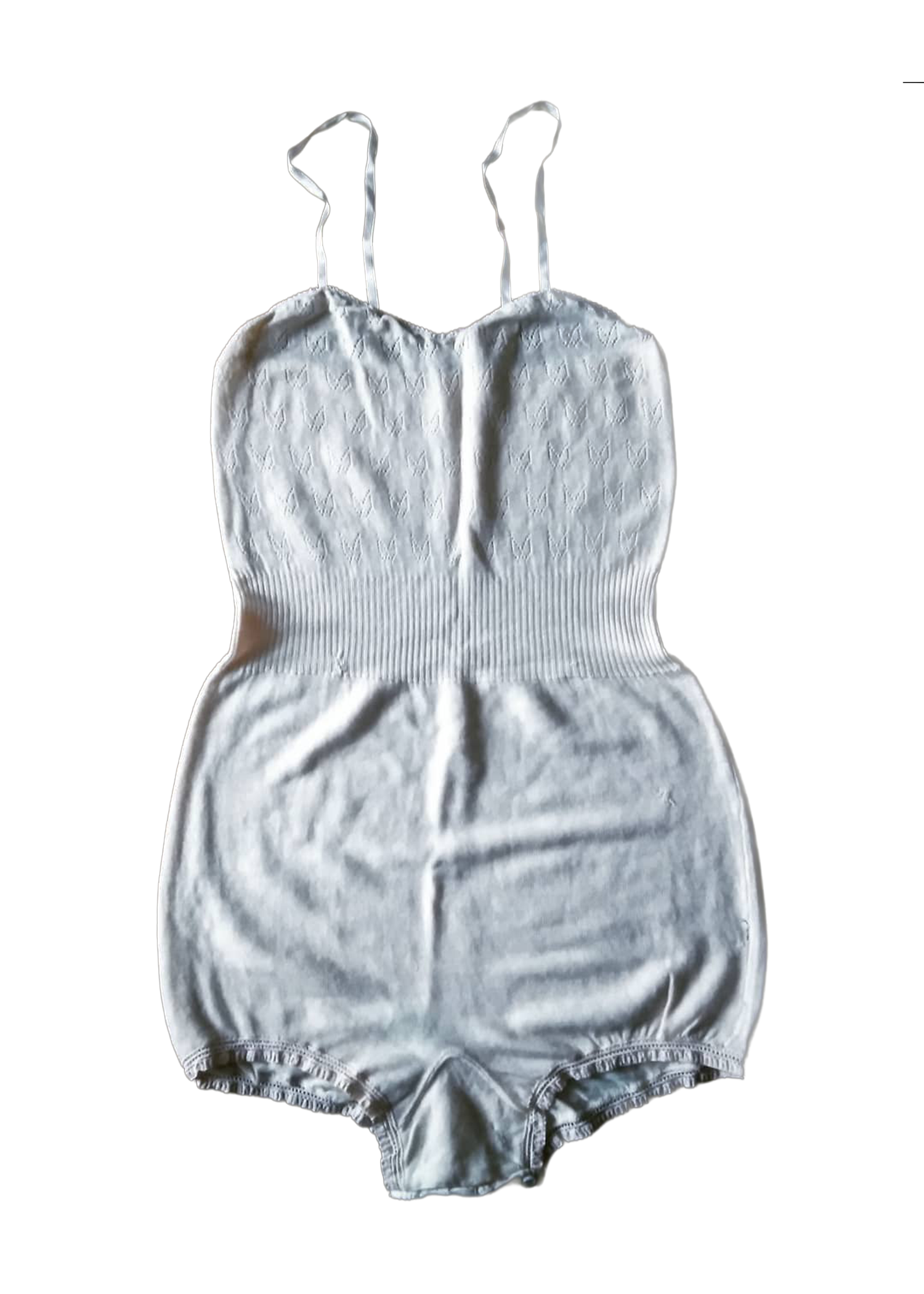
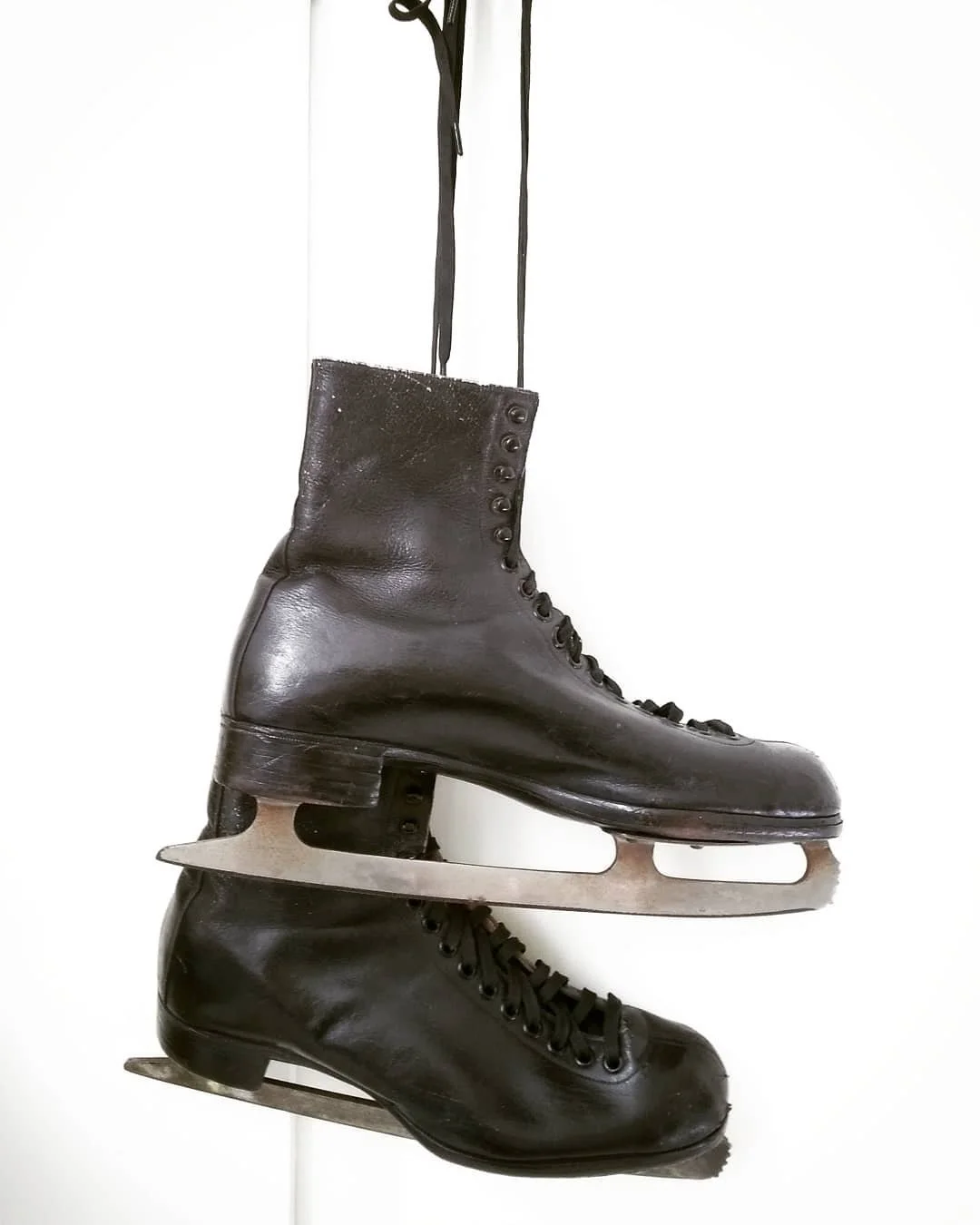
Utility covered all types of garments, from a wide range of different undergarments, to day- and eveningwear, even extending to cc41 labelled ice and roller skates. It was essential that civilians could maintain their lives while also contributing to the war effort.
As a result, early in the life of the Scheme the government’s Board of Trade recognised the importance of design, particularly in relation to standardisation. Both industry and consumers voiced misgivings over the impact which standardised production would have on clothing itself, envisioning a civilian uniform. To counteract this, and demonstrate the reality of Utility clothing, in 1942 the Incorporated Society of London Fashion Designers were tasked with designing a collection which met with the parameters of Utility to showcase the desirability, quality, and practicality of such garments. Designer involvement sought to counteract misgivings over the use of the term ‘standardisation’ in relation to Utility clothing, which evoked visions of a civilian uniform amongst the public and ideas design development being held back amongst industry and trade. A collection of 34 prototypes was created which was debuted alongside models created by mass-manufacturers, challenging misconceptions over Utility clothing.
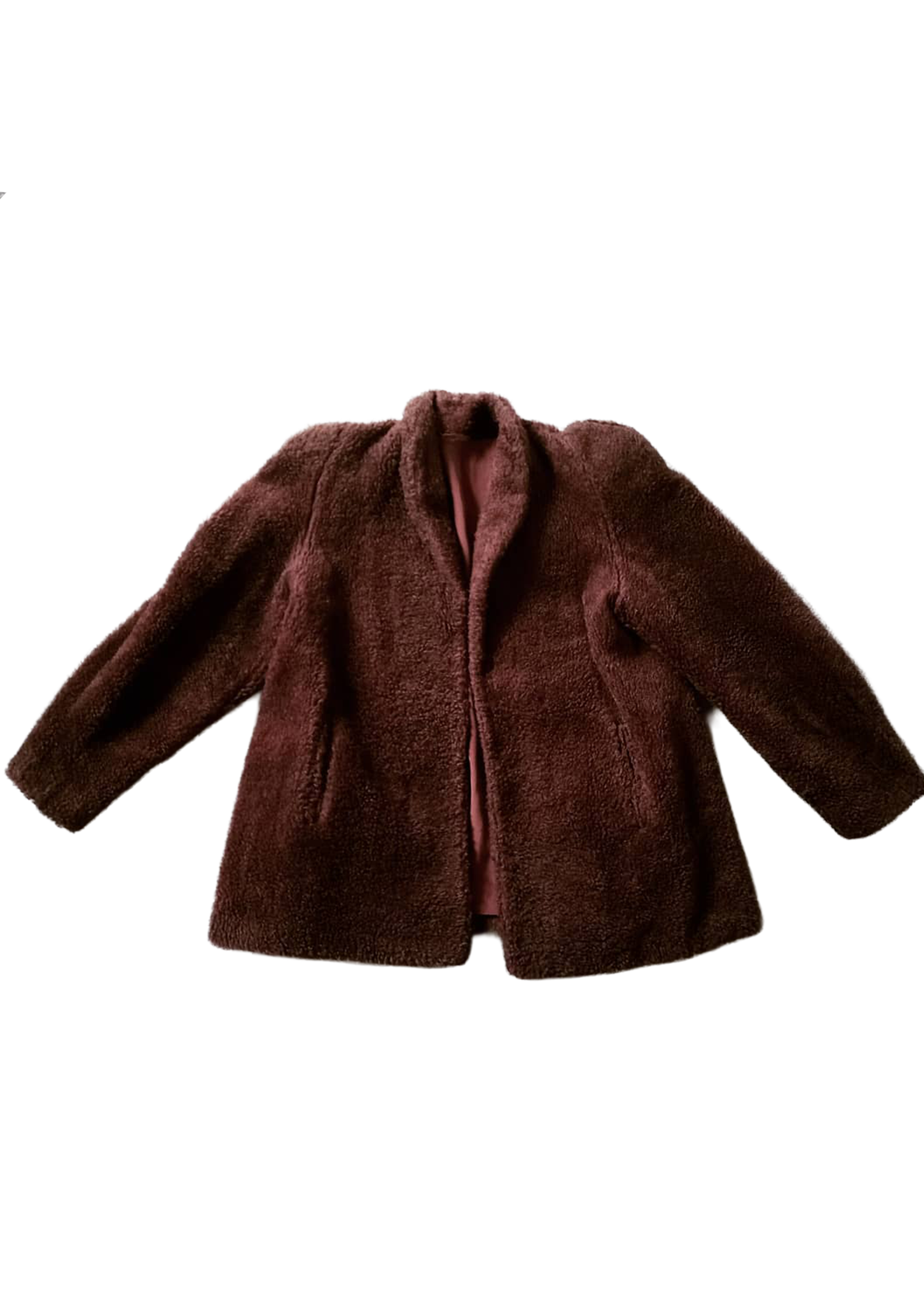
Further, under regulations of Rationing and output requirements of the Utility Clothing Scheme, British garment manufacturers maintained the ability to design garments. This meant that, though practical implications such as in clothing simplifications were encountered, recognised fashionable features remained, and even developed as part of wartime style. Shape reflected popular silhouettes; the influence of uniform on structured shoulders, tailored jackets and skirt suits were cemented in womenswear, as was the wearing of slacks; skirts shortened, with hems a maximum of three-inches in depth, no more than two box or inverted pleats or four knife-pleats were stipulated.
Social expectations around dress remained central throughout the conflict, with notions of national pride identified within clothing. Different fabrics were used to construct Utility garments reflective of these beliefs – suits made of fine, pinstriped woollen textiles (with turn-ups to trousers and double-breasting to jackets removed, much to the chagrin of consumers); summer dresses of light, highly patterned cottons (thusly decorated to remove any need to pattern match and therefore save fabric in garment construction); evening dresses of crepe and rayon (giving drape and movement); and stockings which underwent development through use of synthetic fibres over silk (required for the war effort, namely used in maps and parachutes).

Wisdom from Wartime Wear
As an exemplar, the Utility Clothing Scheme is testament to the fact that clothing encapsulates culture, resilience, and adaptability, reflected even in the most challenging of times. Upon the culmination of the Utility Clothing Scheme in 1952, Labour MP Austen Albu posed to the House of Commons that the Scheme “meant, not just a guarantee for the consumer but almost, I think, a revolution in the trade” (Hansard HC Deb. 8 May 1952, Column 596). Cc41 garments represent collaboration between government, industry, trade, and consumers, encapsulating the realities of wartime economies in which everyone had to be engaged.
Much insight can be drawn from the Utility Clothing Scheme and wider wartime austerities in consideration of fashion sustainability today. Making the most of available resources, manufacturing quantities of clothing in which output reflected population need, and importance placed on garment quality and resultant longevity were practices implemented through the Utility Clothing Scheme due to the impacts of wartime. Interacting with surviving Utility garments is testament to their quality, design and longevity – pieces certainly remain wearable today.
Cc41 holds wisdom reflecting approaches to garment making, consumption, and wear which we may draw upon in the manufacture and use of clothing at present. By reducing production and consumption in similar ways to those undertaken through the Utility Clothing Scheme today, as necessitated by considerations of sustainability relating to environmental impact and exploitations within industry practice, the life of the wardrobe may be extended and unique personal style developed.
By Lucy McConnell for issue 3 of The Grey.